

Key Takeaways
- Focus spending on defects that affect safety, financing, insurance, or a buyer’s confidence.
- Skip major cosmetic renovations unless local pricing clearly supports the expense.
- Prepare roof, storm, flood, and insurance information before buyers begin asking for it.
- Use cleaning, decluttering, and simple curb appeal improvements to make a stronger first impression.
- Compare a traditional listing, a for-sale-by-owner approach, and a direct sale before choosing a timeline.
- Gather title, mortgage, association, and repair records early to reduce closing delays.
Selling a house fast in Florida can be challenging when the property needs repairs, the owner has a firm deadline, or carrying costs continue to add up. Sellers may feel pressure to renovate before listing, but not every improvement will increase the final sale price enough to justify its cost. Understanding the property’s condition and priorities can help avoid unnecessary spending.
A practical approach is to compare the costs of repairs with the potential benefits of making them. Florida homeowners can also explore different selling methods, including traditional listings and companies that we buy homes in Florida, while carefully reviewing each option. Comparing expected net proceeds, timelines, fees, and contract terms can help sellers choose a suitable path without overspending on improvements that may not be essential.
For more practical tips on making smarter financial decisions and managing costs, explore our Business category.
Why Speed Matters in Florida
Every extra month of ownership can bring another mortgage payment, utility bill, lawn-care expense, insurance premium, property tax obligation, and maintenance task. For a vacant home, regular checks are especially important in Florida, where heat, heavy rain, and storms can turn a small leak or air-conditioning failure into a larger problem.
Buyer expectations also vary by location and property type. A condominium near the beach may raise questions about building records and assessments, while an inland single-family home may receive closer scrutiny of the roof condition, drainage, septic systems, or storm shutters. A realistic price and prompt responses to buyer questions can help a property compete without resorting to costly renovations.
Owners who prefer a simpler path may also explore direct-sale options. Businesses advertising “We buy houses” can be an option for sellers who value an as-is sale, fewer showings, or more control over moving dates, although every written offer should be reviewed carefully.
Which Repairs Deserve Attention First?
Priority Repairs
- Active roof leaks, missing materials, or visible water stains
- Unsafe electrical wiring, damaged outlets, or malfunctioning panels
- Plumbing leaks, standing water, or ongoing moisture problems
- A nonworking air-conditioning system during Florida’s hot months
- Mold concerns, structural damage, termite damage, or unsafe railings
- Broken windows, exterior doors that do not secure, and trip hazards
Repairs That May Not Pay Off
- A full kitchen remodel solely because the cabinets look older
- Luxury bathroom upgrades selected for personal taste
- Replacing working appliances for cosmetic reasons
- Custom flooring or expensive landscaping projects
Not every dated feature requires attention before listing. The practical distinction is whether a problem could pose a safety risk, raise an inspector’s concern, affect insurance or financing, or make buyers question the home’s overall maintenance.
If the budget is limited, get estimates for the serious items first. Then compare the likely cost of repair, the effect on buyer interest, and the cost of continuing to own the home while a larger project is underway.
How Insurance and Storm Risk Affect a Sale
Insurance can become a major part of a Florida transaction because a financed buyer may need coverage before closing. The state’s homeowners insurance guidance notes that insurers may require inspections and may review a home’s roof, plumbing, electrical wiring, and heating or air-conditioning systems, particularly for older properties.
Before marketing the home, collect the roof installation date, permits, warranties, repair receipts, prior claim information, and records for hurricane shutters or impact-resistant openings. If available, keep a wind mitigation report handy. Coastal and flood-prone properties should also be prepared to answer questions about drainage, past water damage, flood coverage, and storm repairs.
Condo owners should request current association contact information, governing documents, budgets, assessment details, and any records that a buyer or lender may request. Waiting until contract review to locate these materials can create avoidable pressure.
A Low-Cost Home Sale Preparation Plan
1. Remove Clutter
Clear counters, closets, hallways, garages, patios, and storage areas. Buyers need room to picture their own belongings, and clean access makes inspections easier.
2. Deep Clean Visible Areas
Prioritize kitchens, bathrooms, windows, ceiling fans, light fixtures, entryways, sliding doors, and patios. A clean home can feel better maintained without changing its character.
3. Improve First Impressions
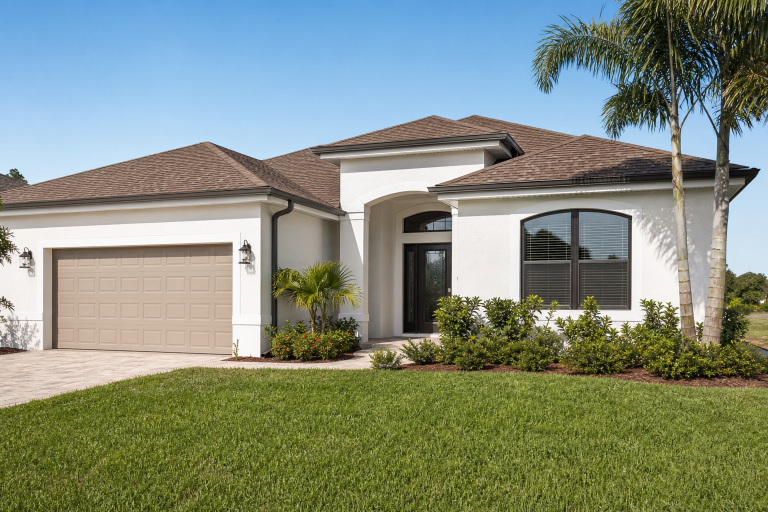
Trim overgrown plants, sweep the driveway, replace burned-out bulbs, clean house numbers, and make the front entrance easy to reach. These inexpensive tasks can improve photos and showings.
4. Set a Firm Spending Limit
Divide available funds into required repairs, presentation work, and a reserve for inspections or closing needs. Avoid taking on debt for upgrades that may not be completed or recovered before the sale.
Ways to Sell a Florida House Quickly
Traditional Listing
A listing can provide broad exposure and may attract buyers using financing. It can also require showings, negotiations, inspections, appraisal preparation, and patience if the home needs work.
For-Sale-By-Owner
This route gives owners more control over marketing and communication, but it also places pricing, scheduling, disclosures, contracts, and buyer screening on the seller. A real estate attorney or qualified closing professional can help review the transaction.
Direct Cash Sale
A direct sale may suit an owner facing repairs, inherited property responsibilities, tenant issues, or a short moving deadline. Verify the buyer’s identity, understand any fees, review proof of funds, and use a reputable title or closing company.
Documents to Gather Before Accepting an Offer
- Identification, deed, survey, and title documents
- Mortgage payoff details and property tax information
- Insurance policies, claim history, permits, and repair receipts
- Lease agreements for occupied property
- Homeowners association or condo records
- Information about liens, probate, divorce, bankruptcy, or judgments
Florida real estate licensees must disclose known facts that materially affect a residential property’s value when those facts are not readily observable, as reflected in the state’s residential property disclosure requirements. Honest records and early communication can reduce disputes later in the process.
Common Mistakes That Slow Down a Sale
- Pricing based only on old neighborhood sales rather than current competition.
- Hiding known defects instead of addressing or disclosing them.
- Beginning a major repair project without considering time, permits, and cost.
- Ignoring buyer questions about insurance, storm repairs, or roof age.
- Looking only at the offer price instead of contingencies, fees, and closing timing.
- Failing to account for weather disruptions during hurricane season or periods of heavy rain.
Conclusion
A fast Florida home sale does not require a complete renovation. Start with the home’s condition, insurance details, documents, carrying costs, and preferred move date. By resolving meaningful defects, improving presentation with affordable steps, and comparing several selling paths, homeowners can make a faster decision without overspending on repairs.