

Table of Contents
- Growing Demand for Electricians
- Educational Pathways and Apprenticeships
- Technological Advancements in the Field
- Career Progression and Specializations
- Global Initiatives and Support
- Conclusion
The electrical industry is undergoing an exciting transformation, driven by technological advancements, evolving energy demands, and a renewed focus on sustainability. For those looking to build a career in an essential, rapidly growing field, modern electrical work offers a range of opportunities. If you are interested in joining this vital sector, organizations like ABC Heart of America are one of many that offer solid pathways to the skills required for success.
As electricity becomes increasingly central to our daily lives, from renewable energy sources to smart homes and high-tech commercial buildings, the profession is rapidly expanding. Whether you’re just leaving high school or considering a mid-career transition, educational and apprenticeship options are more accessible than ever, promising a secure path to a skilled trade and long-term job stability.
To see how electrical expertise connects with modern appliances and kitchen solutions, explore our article on TeeVax Home Appliance & Kitchen Center.
Growing Demand for Electricians
Across the United States and globally, electricians are more in demand than ever. The push toward renewable energy, greater electrification of transport, and the modernization of commercial and residential infrastructure are fueling this growth. According to the U.S. Bureau of Labor Statistics, employment for electricians is projected to increase by 9 percent through 2034, creating tens of thousands of new jobs. This surge is not only due to emerging technologies but also the need to maintain and upgrade aging electrical grids and systems in established cities and communities.
Skilled electricians are critical for new construction, renovations, system upgrades, and the expanding installation of solar and wind power systems. Industries ranging from healthcare and transportation to commercial real estate and manufacturing all rely on qualified professionals to ensure safe, efficient, and forward-looking electrical infrastructure.
Educational Pathways and Apprenticeships
Entering the electrical trade today involves a combination of classroom education and hands-on training. Most candidates start with a high school diploma or its equivalent, but the real cornerstone of training is the formal apprenticeship. These apprenticeships, typically four years in length, couple 8,000 hours of paid, on-the-job training under experienced electricians with related classroom instruction. This model not only builds a strong theoretical foundation but also ensures practical, real-world skills are developed alongside.
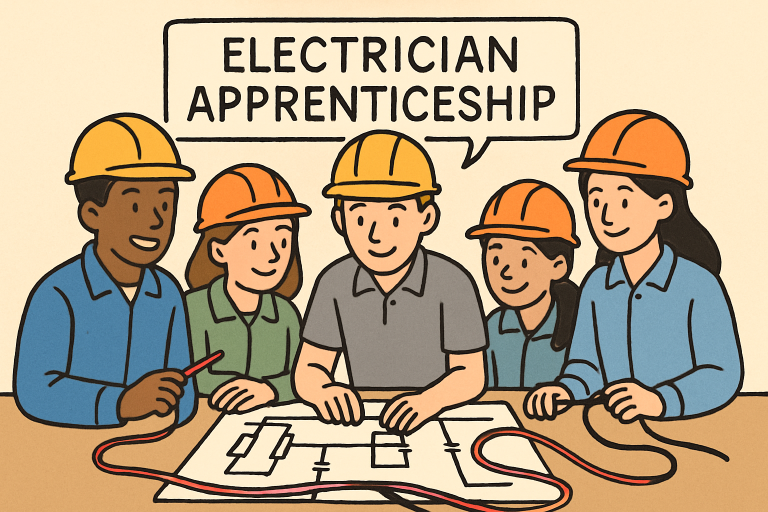
Funding for apprenticeships and educational programs often comes from industry organizations or trade unions, such as the International Brotherhood of Electrical Workers (IBEW) and the National Electrical Contractors Association (NECA). Many entry-level opportunities result in little to no student debt, making a career in the trade accessible to a wide range of people. These initiatives are essential, ensuring that new entrants are fully prepared to meet the rapidly evolving demands of the industry.
Technological Advancements in the Field
Modern electricians must build proficiency not just in traditional wiring and safety procedures, but also in the use of advanced tools and systems. The increasing prevalence of digital blueprints, smart devices, energy management platforms, and building automation has redefined what it means to work as an electrician. Those with an aptitude for technology and troubleshooting will find this field especially rewarding.
Tech-driven tools such as augmented reality glasses, smart testing meters, and remote monitoring systems not only enhance job site efficiency but also contribute to greater accuracy and workplace safety. Emerging trends like the Internet of Things (IoT), smart grids, and integration of renewable energy resources suggest the requirements for electricians will only continue to expand. For a broader look at the link between technological change and skilled trades, see this helpful overview from The New York Times.
Career Progression and Specializations
Career options for electricians are wide-ranging and offer continued growth. After a successful apprenticeship and licensing process, professionals can move into specializations such as maintenance technician roles, commercial wiring, industrial automation, solar panel installation, or even managerial and supervisory positions. Companies across the country, including leading retailers and manufacturers, now emphasize cross-functional maintenance skills that blend electrical know-how with mechanical troubleshooting, providing room for continued professional growth.
The rise in green energy initiatives and smart infrastructure projects has also opened the door for electricians to become experts in alternative energy systems, energy storage, and advanced building controls. This ongoing evolution ensures there are always new skills to learn and new opportunities to pursue within the field.
Global Initiatives and Support
To meet the growing need for skilled tradespeople, countries around the world are launching new initiatives. In Singapore, for example, a structured pilot program offers apprenticeships and clear career progression paths for aspiring electricians, aiming to professionalize the trade and make it an appealing long-term career choice. Similar programs are gaining traction in Europe and North America, providing mentorship, technical training, and job placement assistance tailored to the unique challenges and opportunities in various regions.
Support for women, minorities, and those transitioning from other industries is increasing as well, slowly helping to diversify the workforce and bring fresh perspectives to a traditionally male-dominated field. International collaboration and policy support continue to play crucial roles in making electrical careers viable and attractive for future generations.
Conclusion
A career in the electrical field offers stability, ongoing learning, and opportunities for advancement in a high-impact industry. As the demand for skilled electricians continues to grow and technology transforms the industry, now is the perfect time to explore this rewarding professional path. With structured training, robust employer-sponsored programs, and significant global support, aspiring electricians can enjoy a fulfilling and prosperous future by choosing this modern pathway.