
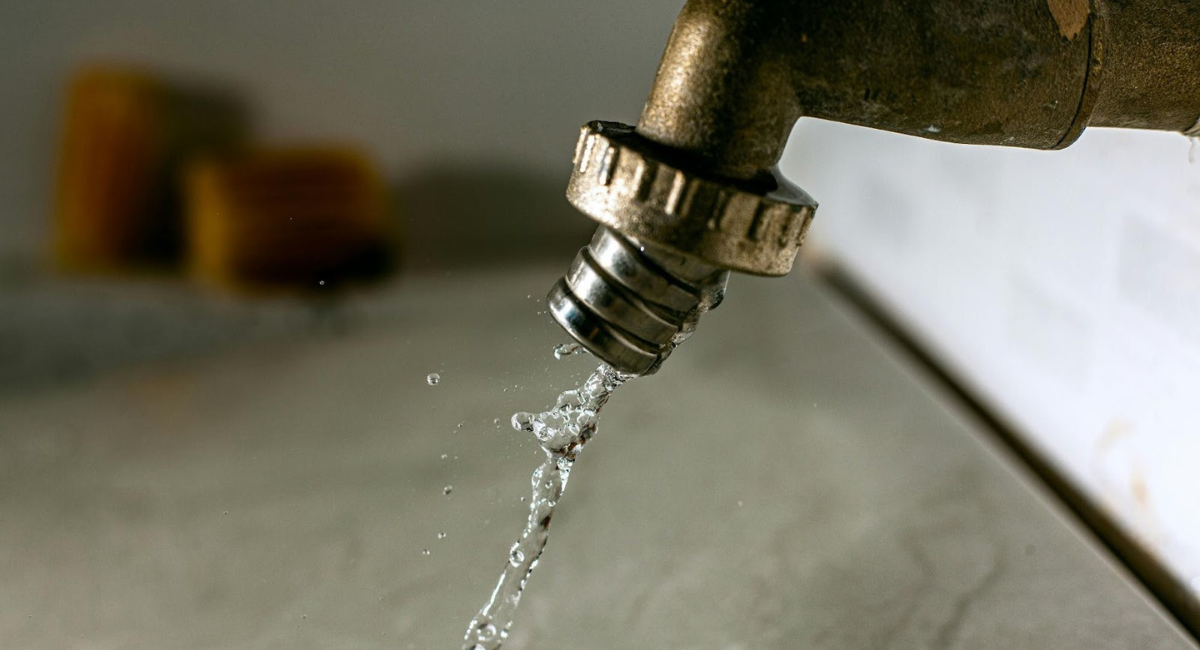
Water damage is the silent nemesis lurking in many homes, acting not only as a nuisance but also posing serious risks to the structural integrity of a property. Each year, countless homeowners face the daunting prospect of repairs and restorations due to unwanted water intrusion. While weather events like heavy rains or storms often take the blame, it’s the smaller, unchecked issues that insidiously take their toll over time, creating extensive—and expensive—damage. Understanding and addressing potential water damage sources is essential for anyone who cherishes their home.
Regular home inspections and preventive upgrades can make a huge difference in safeguarding your property. For more expert insights on maintenance, design, and renovation, explore our home improvement guides to keep your living space protected, efficient, and beautiful.
Watch Out for Leaks
Even the smallest leak can herald a host of problems, undermining your home’s foundations from the inside out. Bathroom and kitchen fixtures, washing machines, and water heaters are some common culprits. Spotting a problem early can save considerable time and money. Signs like water stains on ceilings or walls, a sudden spike in the water bill, mold growth, or persistent musty odors should trigger an immediate investigation.
Another critical area to inspect for leaks is under sinks and around toilets. Water accumulation in these areas often goes unnoticed until significant damage surfaces. Routinely check these spaces for moisture, and even if no obvious signs appear, periodically engage professionals to perform inspections. Their trained eyes can notice what you might overlook, offering an extra layer of protection against an escalating issue.
For leaks that prove particularly elusive or challenging, a professional plumbing contractor like King Heating, Cooling & Plumbing in Chicago can offer the expertise needed to identify and resolve them efficiently. Their skills ensure that potential issues are addressed before they escalate into costly repairs.
Mind the Weather
Natural defenses against water damage are best laid in anticipation of threats like storms or floods. Hurricane season, for instance, often reveals vulnerabilities that might otherwise go unnoticed. Being proactive means installing sump pumps, reinforcing vulnerable areas, and maintaining a supply of emergency materials such as tarps and sandbags for immediate response when necessary.
Drainage and Downspouts
Effective drainage systems redirect water away from your house, preserving its foundation. Blocked gutters and poorly positioned downspouts are invitations for water to seep into basements or crawl spaces, where it can wreak havoc unseen. Regularly cleaning gutters, positioning downspouts at an appropriate distance from the house, and ensuring the soil slopes away from the foundation all contribute to a watertight home.
Consider investing in gutter guards to prevent leaves and debris from blocking water flow. These devices help maintain consistent outflow and reduce the frequency of cleanings. Additionally, rain barrels can serve as an eco-friendly solution for managing excess water. By collecting rainwater, homeowners not only prevent water accumulation near their homes but also have a resource for garden watering, reducing municipal water use.
Basement and Foundation Concerns
Damp basements and compromised foundations can lead to significant repair costs. A properly sealed basement, with adequate waterproofing measures, guards against seepage. Foundations should be inspected regularly for cracks; even minor ones can allow enough water entry to cause major problems. Professional assessments should be sought immediately if foundational issues are suspected.
Basement window wells, often overlooked, are another potential entry point for water. Ensure they are covered and drain well to prevent water from pooling. Furthermore, employing a dehumidifier can help maintain an ideal moisture level, preventing condensation, mold, and lingering dampness in basement areas typically prone to these issues.
Roof Maintenance
Given its primary role in protecting your home from the elements, maintaining the roof is paramount. Missing or damaged shingles or tiles lead to leaks that cause significant internal damage over time. Regular inspections and timely repairs ensure the roof remains intact and eliminates the possibility of water seeping into attic spaces or interiors.
Insurance: Your Safety Net
Home insurance stands as a valuable safety net against the financial burden of unexpected water damage. However, understanding what your policy covers is crucial; many do not automatically include flood insurance, which must be purchased separately. Routine reviews of policy terms can ensure vibrant coverage that aligns with your home’s specific risks.
Where Do Mold and Mildew Fit In?
These unwelcome guests thrive in damp environments, affecting health and exacerbating water damage. Mold in particular is not just a blemish; it spreads rapidly, eating away at structures and impacting indoor air quality. Ventilation and dehumidification can help prevent mold growth, but once detected, immediate mold remediation is a must.
The battle against mold can also be fought by improving home air circulation. Installing exhaust fans in frequently damp areas like bathrooms and kitchens can mitigate the risk of mold proliferating. Regularly replacing air filters and ensuring HVAC systems are in prime condition aids in keeping humidity levels in check, hindering a hospitable environment for mold spores.
Conclusion
Protecting your home from water damage is not just about repairs; it is about taking proactive steps to safeguard your investment, providing peace of mind in knowing that potential threats have been addressed. By routinely inspecting vulnerable areas and adopting a vigilant approach towards previous issues, homeowners can transform reactive repairs into proactive prevention. Water’s path is relentless, but with diligence and foresight, its impact can be dramatically minimized.