
Key Takeaways
- Active community participation enhances neighborhood cohesion and resilience.
- Shared spaces and amenities foster social interactions and a sense of belonging.
- Community-driven initiatives can lead to sustainable urban development.
Urban neighborhoods are much more than clusters of buildings. They are dynamic, living ecosystems profoundly influenced by the people who inhabit them. Living in a community-oriented urban area shapes not only the physical fabric but also the social and economic fabric of the neighborhood. For those exploring unique neighborhoods where these qualities shine, options like Zilker homes for sale showcase how thoughtful community development can transform urban spaces. Community living enhances the city experience by creating opportunities for residents to connect, collaborate, and foster a stronger sense of belonging.
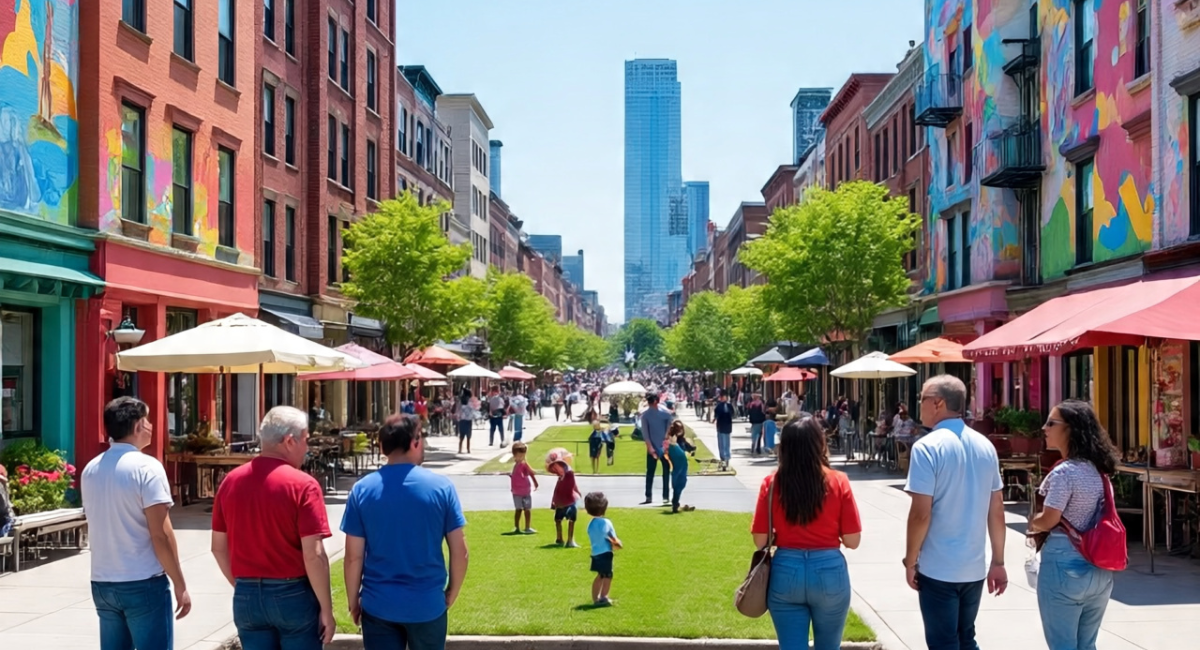
In today’s rapidly changing cities, understanding the dynamics of community engagement is crucial. Neighborhoods that prioritize collective participation often evolve into more inclusive and resilient places to live. These urban communities succeed because they nurture both individuality and togetherness, making everyone feel like they have a stake in the area’s future. The shared experience of living in active, interconnected urban areas can be a driving force for positive development and social progress.
For a closer look at how well-being and shared environments contribute to personal growth and stronger communities, explore our guide on community wellness and engagement.
The Role of Community Engagement in Urban Development
Engaging communities meaningfully is essential for healthy urban areas. When locals influence decisions, public spaces, buildings, and services better align with community values and needs. This collective participation fosters stronger social bonds, reduces divisions, and results in developments that are both practical and inviting for all. Research indicates that neighborhoods with high civic engagement tend to have less conflict and recover faster from challenges. Active resident involvement drives planning choices that emphasize inclusion, supporting diverse residents and businesses.
Shared Spaces: Catalysts for Social Interaction
Shared community spaces, such as parks, playgrounds, and gardens, are the lifeblood of urban neighborhoods. These areas serve as common ground for neighbors of all walks of life, where social interactions can flourish. For example, in New York City, community gardens have turned once-neglected lots into vibrant, green gathering hubs. Residents from surrounding buildings come together to grow vegetables, share gardening tips, and build friendships, often leading to stronger local identities.
Similarly, local recreational centers and public plazas offer safe venues for socializing, recreation, and cultural activities. Shared amenities like these not only help residents connect but also instill a sense of collective ownership and accountability for the neighborhood’s well-being.
Co-Living: A Modern Approach to Community Living
Modern urban environments face ongoing housing challenges, and co-living has emerged as an innovative solution. Co-living arrangements offer private spaces for individuals and shared common areas for the community, resulting in affordable and socially enriching housing options. This model gives residents opportunities to share resources, support one another, and collaborate on community activities.
Major cities such as London and San Francisco have seen a rise in co-living spaces, attracting people seeking meaningful connections and affordability in expensive housing markets. By encouraging collaboration over competition, co-living fosters a spirit of openness and mutual aid, a necessary feature in fast-paced, densely populated cities.
Community-Driven Urban Design
One of the most effective ways to create thriving neighborhoods is to involve residents directly in urban planning and design projects. Developments like Hampstead have set powerful examples by incorporating parks, mixed-use hubs, and pedestrian pathways that encourage organic engagement and foster a genuine sense of community. When residents have input in these processes, urban design becomes more adaptable and tailored to real-life needs.
This participatory approach not only addresses functional requirements but also builds local pride and stewardship. The resulting environments are more welcoming, catering to different age groups, cultures, and lifestyles, which, in turn, attract new residents who share values of interaction and connectivity.
Addressing Social Isolation Through Community Design
Urban planners are increasingly aware of the adverse effects of social isolation in city settings. Thoughtful community design integrates features like neighborhood commons, interconnected walkways, and communal patios to encourage organic encounters and interactions. These areas become anchors of social life, supporting intergenerational connections and fostering a sense of inclusiveness.
By combating loneliness and exclusion through intentional space planning, urban neighborhoods nurture residents’ emotional and mental well-being. For older adults and newcomers alike, spaces that encourage gathering offer invaluable opportunities to build friendships and social support systems.
Challenges and Considerations
Despite its many advantages, community living also presents challenges. Disagreements, noise concerns, and varying expectations among residents can lead to conflict. Successful community living depends on clear and effective governance structures that allow everyone’s voice to be heard. Moreover, true inclusivity and equity require ongoing dialogue and transparency to ensure that community-driven initiatives serve all members, not just a select few.
Urban neighborhoods must also adapt to changes, such as shifting demographics or evolving economic realities. By fostering resilience, flexibility, and open communication, communities can overcome these challenges and continue growing stronger.
Conclusion
Community living is at the heart of what makes urban neighborhoods vibrant and resilient. Through active participation, shared spaces, and innovative co-living arrangements, cities can nurture environments where everyone has an opportunity to thrive. Prioritizing resident involvement and thoughtful design in urban planning enhances the quality of life, strengthens social networks, and paves the way for healthier, more connected city living.